How Much Does Car Air Conditioning Repair Cost
Last summer in Slidell I had three cars in one week come in with no cold air. One was an old pickup with a simple leak. Another was a late model SUV with a failed compressor. The third was a compact that needed just a recharge.
Each job looked similar from the outside. Each had a very different bill.
If you are asking how much does car air conditioning repair cost, you are not alone. People panic when the AC dies in July. They think the whole system must be replaced. That is not always true.
In this guide I will walk you through real costs. I’ll explain what drives price. I’ll share real examples from the shop. I’ll list tools and brands I trust. I’ll give local tips for Slidell drivers who face hot, humid weather. Read this and you will know what a fair price looks like. You will also know what to try before paying a big bill.
Quick answer first
Short version: a simple AC recharge costs about $100 to $250. A leak repair plus recharge runs $150 to $600. A compressor replacement with parts and labor runs $600 to $1,800. Full system jobs and rare evaporator replacements can hit $1,200 to $2,500.
Those ranges are wide. Why? Because car AC systems differ. Parts cost varies by make and model. Labor rates vary by shop. Refrigerant type matters too. We will unpack all of that below.
What affects the cost of car AC repair?
Let’s be blunt. Three things decide price.
- What part is broken.
A simple leak is cheap to fix. A failed compressor is expensive. Evaporator jobs usually cost the most. - Labor time.
Some jobs take one hour. Other jobs take many. Labor hours multiply the cost fast. Expect most shops to charge by the hour. - Type of refrigerant and parts.
Newer cars use R-1234yf. That fluid costs more than older R-134a. OEM parts cost more than aftermarket. That adds up.
Other factors also matter. The car’s accessibility matters. An engine bay with tight space raises labor time. Warranties can reduce out of pocket cost. Local taxes and shop overhead vary. Finally, diagnostic time is part of the bill too.
Typical repair prices — realistic local ranges
Below are common AC repairs and typical cost ranges you will see in a dealer or independent shop. I list parts plus labor and include local context for Slidell.
- AC Recharge (no leak found)
- Cost: $100 to $250.
- What it covers: evacuate system, vacuum, recharge with proper refrigerant, basic performance check.
- When it applies: low refrigerant from slow seep, regular maintenance.
- Leak detection and repair (minor hose or O-ring)
- Cost: $150 to $600.
- What it covers: locate leak, replace hose or O-ring, seal, recharge.
- When it applies: visible oily spots or dye, minor fittings leaking.
- Compressor replacement
- Cost: $600 to $1,800.
- What it covers: new compressor, clutch, mount hardware, oil, refrigerant, labor.
- When it applies: loud clutch, seized compressor, or loss of cooling plus electrical fault.
- Condenser replacement
- Cost: $400 to $1,200.
- What it covers: new condenser, flush system if needed, recharge, labor.
- When it applies: front-end damage after collision or corroded condenser.
- Evaporator core replacement
- Cost: $800 to $2,500.
- What it covers: evaporator core, labor (often many hours), interior reassembly.
- When it applies: leaking evaporator inside dash, strong musty smell, cabin leaks.
- Expansion valve or orifice tube replacement
- Cost: $150 to $500.
- What it covers: new valve/tube, possible filter dryer, recharge, labor.
- When it applies: inconsistent cooling, frost on lines, pressure issues.
- Receiver dryer or accumulator
- Cost: $75 to $250.
- What it covers: part replacement and recharge.
- When it applies: whenever the system has been opened. This is often a required part when you replace other components.
- Diagnose only
- Cost: $50 to $150.
- What it covers: shop time to test pressures, electrical checks, leak detection.
- Why pay: you want to know the problem before committing to repair.
Why recharges sometimes don’t fix the problem
If the system leaks, a recharge only buys time. You will likely return with the same issue. Low charge means low performance. If a shop only recharges and does not find a leak, ask them to show you pressure readings. Ask what evidence they used. In humid climates like Slidell, AC systems lose charge faster when they run nonstop. A recharge can solve a temporary shortfall. But real fixes require leak repairs and component checks.
Refrigerant type matters — R-134a vs R-1234yf
Older cars use R-134a. Newer cars use R-1234yf. R-1234yf is more expensive. It also needs certified handling in some shops. Here’s a rough price note:
- R-134a: lower cost refrigerant. Common, cheaper to recharge.
- R-1234yf: newer, EPA phased in for many 2015+ model cars. Higher per pound cost. Some shops charge more because of special equipment.
If your car uses R-1234yf expect a higher refill cost. If you have questions, check your under-hood sticker for the refrigerant type or ask the shop.
How shops price repairs — parts, labor, and extras
Shops generally break down your invoice. Look for these line items:
- Diagnosis fee — Paying the tech to test pressures and run checks.
- Parts — Compressor, condenser, hoses, O-rings, receiver drier.
- Refrigerant — Sold per pound. Modern systems take 1 to 2 pounds, sometimes more.
- Labor — Charged by the hour. Complex work can take 4 to 8 hours.
- Shop supplies — O-rings, clamps, seals, dye, oil, disposal fees. Often a small line item.
Ask for an itemized estimate. Do not let a shop give you a single lump number without details. Good shops explain every major cost. If a price looks low, ask why. If it looks high, get a second estimate.
DIY vs professional — what you can and cannot do
If you are a do-it-yourselfer, some jobs are simple. Others need a pro.
You can try at home:
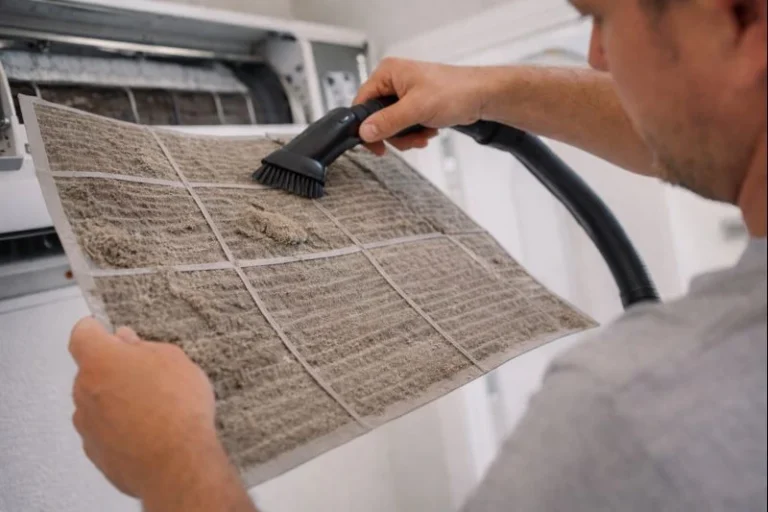
- Check cabin and engine air filters.
- Look for visible oil stains on hoses.
- Buy a UV dye kit to locate large leaks.
- Use a low-cost recharge kit if you know the system type and it is a straight recharge.
You should not DIY:
- Replace compressors or evaporators.
- Use pressurized refrigerant without training.
- Attempt repairs on R-1234yf systems without certified equipment.
- Leave leaks unfixed and recharge only. That wastes money.
Note: improper refrigerant handling is illegal in many places. The Environmental Protection rules require certified recovery equipment for certain refrigerants. If you plan to DIY a recharge, know the legal and safety rules in your area.
Tools and brands I trust
When I run a shop, I use these trusted names and tools.
Tools
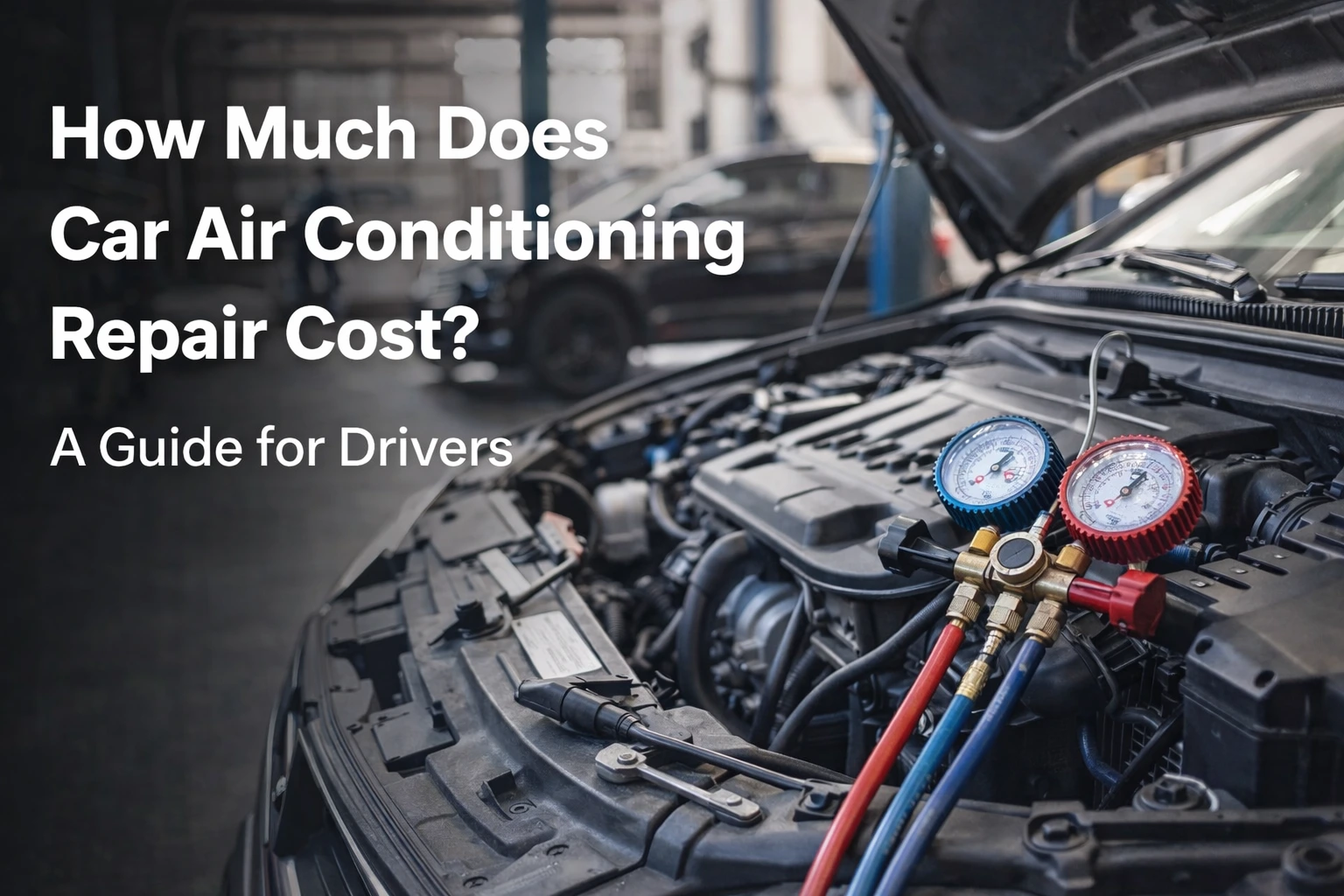
- Yellow Jacket manifold gauge set (pressure checks)
- Robinair vacuum pump (evacuation)
- UV dye leak kit (locate leaks)
- Electronic leak detector (sniffs refrigerant)
- Refrigerant identifier (checks type)
- Torque wrench and basic hand tools
- Multimeter for electrical checks
Brands for parts
- Denso — compressors and electrical items
- ACDelco — reliable OEM style parts
- Four Seasons — condensers, hoses, and kits
- NAPA — parts and filters for many makes
- Valeo — international OEM replacements
- Mobil 1 — PAG oil for compressors
These brands balance quality and cost. Cheap parts often fail quickly and cost more long term.
Real case studies from the shop
I’ll share three short case studies. They are real. I changed names and cars.
Case study 1 — The simple recharge
A 2010 sedan came in with weak air. Diagnostics showed low pressure and no visible leak. We evacuated and recharged with R-134a. Total cost: $140. Result: strong cold air and happy owner. Lesson: low charge can be an easy fix.
Case study 2 — Leaky hose and O-ring
A pickup truck had oily buildup near a service port. We pressure tested, found a leaking O-ring, replaced the O-ring and top hose, and recharged. Parts $45. Labor 1.5 hours. Refrigerant and service total $280. The owner avoided a larger repair.
Case study 3 — Compressor failure in a modern SUV
A 2017 SUV arrived with no clutch engagement. The compressor had seized. We replaced the compressor, expansion valve, receiver drier, and added refrigerant. Parts were higher because this car used R-1234yf. Total bill: $1,650. That covered warranty parts and a longer labor time. Lesson: modern cars can cost more with newer refrigerants and complex assemblies.
These three examples give a real sense of range. The middle ground is the most common.
Seasonal and local notes for Slidell drivers
Living in hot, humid areas changes the wear pattern. Here’s what I tell local drivers.
- AC runs more. That increases wear on the compressor and hoses.
- Pollen and salt accelerate corrosion. Check condenser fins after summer storms.
- Hurricane season: debris and power cycles can damage systems. Inspect the car after any storm.
- Tune early in spring. Fix small issues before the heat hits. That prevents many breakdowns in July.
A habit I recommend: schedule an AC check in March. Fix leaks early. Recharge if needed. That keeps you from paying more when demand and prices spike in mid-summer.
Saving tips and hacks that actually work
Here are proven ways to keep your repair cost down.
- Keep the condenser clean. Clear leaves and bugs off the front grill. That helps cooling and reduces pressure on the system.
- Change cabin air filter. A clogged cabin filter reduces perceived airflow and hides AC issues.
- Do a visual check. Oil stains on hoses often mean a leaking joint. Fix small leaks early.
- Ask for a part options. OEM vs aftermarket. Sometimes aftermarket is fine. Sometimes it fails quickly. Get a warranty.
- Get multiple estimates for big jobs. For compressor or evaporator jobs, shop around. Quotes can differ widely.
- Negotiate labor if the job is straight forward. Independent shops sometimes run lower rates than dealers.
These tips save money and often extend system life.
Warranties and insurance
Ask if the parts and labor carry a warranty. Many shops offer 12 months parts and labor on major repairs. Some parts, like compressors, carry manufacturer warranties. If your car is newer and under powertrain warranty, check with the dealer first. If the damage came from a collision, your auto insurance may cover condenser or front-end AC damage after you pay the deductible.
How to read an estimate and questions to ask the shop
When you get a quote, here are smart questions to ask:
- What refrigerant type will you use? R-134a or R-1234yf?
- Is this a full replacement or a repair of the original part?
- What is the labor rate and total estimated hours?
- Do you provide a written parts and labor warranty? How long?
- Can I see the failed part after replacement?
- Will you test for leaks after the repair?
- Is the receiver drier or accumulator included? This is often required when opening the system.
If a shop cannot answer these clearly, walk away. A clear estimate shows they know the system.
Cost comparison: dealer vs independent shop
Dealers often charge more. They use OEM parts and higher labor rates. They also service their brand specifically. Independent shops use aftermarket parts sometimes. They often offer better hourly rates and faster service.
When to choose dealer
- Your car is under warranty.
- The repair requires a factory software or calibration step.
- You prefer OEM parts.
When to choose independent shop
- You need lower labor costs.
- The problem is mechanical and straightforward.
- You want a second estimate that is less than dealer price.
Both are valid choices. The best shops will stand behind their work with a warranty.
Cost-saving alternatives and when they make sense
- Used compressor. On older cars, a tested used compressor can save money. Expect a short warranty. It makes sense on aging vehicles.
- Remanufactured parts. These can be a middle ground, cheaper than new but inspected and rebuilt.
- DIY recharge. Works for older cars and small top-ups. Not a long term solution. Use only if you know what you are doing and you follow safety and legal rules.
FAQs
Q: How much does a simple AC recharge cost?
A: About $100 to $250, depending on refrigerant type and shop rates.
Q: Why did my AC stop cooling suddenly?
A: Most often a low refrigerant level or failed compressor. Diagnose first.
Q: Is an AC recharge a permanent fix?
A: No. A recharge fixes low charge short term. If there is a leak, you must repair it.
Q: How long does an AC repair take?
A: Simple recharges take one hour. Compressor or evaporator jobs can take several hours or a full day.
Q: Can I drive with no AC?
A: Yes, but it can be uncomfortable in heat. Also, compressor failure can strain the engine if left unaddressed.
Q: Does my car use R-134a or R-1234yf?
A: Check the under-hood sticker or owner manual. Newer cars often use R-1234yf.
Q: Can I recharge my AC myself?
A: You can for simple top-offs, but it has limits and legal rules. Avoid full system work without training.
Q: How much is a compressor replacement?
A: Expect $600 to $1,800, varying by vehicle and refrigerant.
Q: Will insurance cover AC repair?
A: Usually not for normal wear. Collision damage may be covered after deductible.
Q: Do shops flush the system after a compressor fails?
A: Good shops will flush lines to remove metal debris. It prevents new compressors from failing early.
Q: Should I replace receiver drier or accumulator?
A: Yes. It is good practice to replace it whenever the system is opened.
Q: How to find a trustworthy AC repair shop?
A: Look for clear itemized estimates, written warranties, and local recommendations. Ask to see failed parts.
Q: What is the most expensive AC repair?
A: Evaporator core replacement can be the priciest. It often requires much labor to access.
Q: How do I prevent AC problems?
A: Keep condenser clean, replace cabin filter, and perform annual checks before summer.
Final checklist before you pay
Before handing over your card, do this:
- Get a written estimate.
- Ask about refrigerant type and price per pound.
- Ask if the shop tests for leaks after repair.
- Verify parts warranty and labor warranty.
- Ask to see replaced parts if possible.
- Get a printout of pressure readings if available.
These simple steps protect you from surprise charges.
Final thoughts
If you want one takeaway, here it is.
When someone asks how much does car air conditioning repair cost, the honest answer is: it depends. Expect a small fix to be under $300. Expect major component swaps to run into the thousands. The most important thing is diagnosis. Pay for a good test first. That saves money later.
If you drive in hot, humid places like Slidell, plan ahead. Schedule checks in spring. Fix small leaks early. Use trusted parts and tools. Ask smart questions. A little care pays off with cooler drives and fewer surprises.